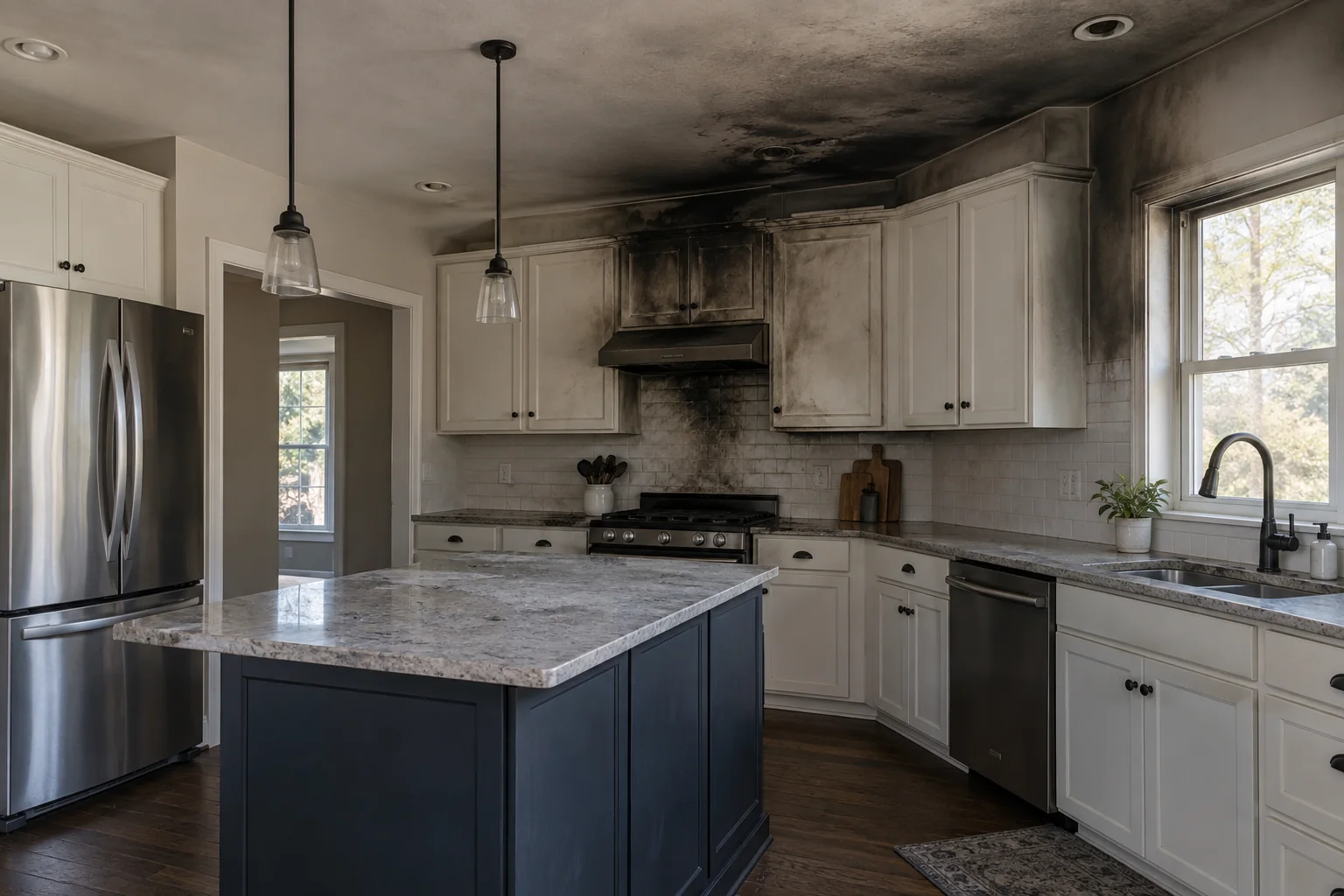
Lingering smoke odor needs a source-focused plan
After a fire, a room can look improved while smoke odor remains a concern. The next step is to understand the affected materials, contents and spaces rather than simply add a fragrance. Friendly Hills Restoration serves Rochester Hills and Shelby Township. Call 586-474-5425 to discuss fire-related smoke odor removal and the appropriate assessment for your home.
Tell the representative where the fire occurred, what cleanup has already been performed and where odor is now noticeable. Explain whether the concern is limited to one room, associated with particular belongings or present in adjoining areas. If there are remaining entry restrictions or unresolved building and system evaluations, include those at the beginning of the call.
This guide focuses on smoke odor following a fire. If smoke appears to be newly entering the home, an appliance may be malfunctioning or an active fire is possible, address that immediate condition first. Do not treat a new or ongoing source as a routine deodorizing appointment. For an active fire or immediate danger, call 911.
An odor-removal scope should identify the areas and materials being addressed, the proposed sequence and the way results will be reviewed. A promise to run one machine and solve every source in a house does not provide those details. The plan should follow the property and the history of the event.
Smoke cleanup and odor treatment are connected
Visible residue, affected contents and odor concerns should be considered together. An air treatment does not explain whether walls, cabinets or belongings have been evaluated. Likewise, a visibly clean surface does not describe the condition of every adjoining space. Ask how the proposed scope connects these observations rather than treating them as unrelated services.
The American Red Cross disaster cleanup guide notes that smoke odors and soot can be difficult to remove and may be best handled by professional fire restorers. The useful takeaway is to seek an appropriate assessment before experimenting on delicate materials or committing to a broad treatment without a source plan.
Cleaning, material removal and specialty treatment are different decisions. A specific surface may be a cleaning candidate, a damaged item may require replacement and a valuable object may need a specialist. The agreement should make those distinctions. It should not imply that the same process is suitable for every material that happens to be in the same room.
If fire damage also involved water, the drying and odor discussions should be coordinated. A damp or musty concern is not automatically the same as a smoke odor concern. Describe each observation accurately and provide the history of firefighting water or later leaks. Our fire and smoke restoration guide covers the wider recovery process.
Describing the odor without guessing at the cause
Your observations can help direct the assessment. Note which rooms are involved, where the concern seems strongest and whether particular belongings are associated with it. Record whether the room has already been cleaned, painted or treated. The sequence matters because later finishes or fragrances can change what is noticeable during a visit.
Avoid assuming that the strongest-smelling spot is the only source. The assessment should review the history and relevant areas rather than rely on one quick impression. Tell the representative about closets, cabinets, stored contents and rooms that have stayed closed since the event. Areas outside the main fire room may deserve evaluation even if the visible damage is limited.
If the concern seems connected to the operation of a household system, describe that observation and ask whether the appropriate specialist should evaluate it. Do not operate fire-affected systems simply to reproduce the smell for an appointment. Safety and system readiness need their own qualified assessment.
Different household members may describe the concern differently. Keep the discussion specific and practical rather than treating a single person's perception as a universal measurement of all conditions. The completion plan should explain how concerns will be reviewed and which building or health questions remain outside an odor service agreement.
Know what each stage covers
Use these distinctions when reviewing a proposal. The actual scope should follow your property’s assessed conditions.
| Stage | Primary focus | What to clarify |
|---|---|---|
| Emergency response | Immediate fire, access and life-safety conditions | Responder instructions and any remaining restrictions |
| Cleanup and contents | Affected surfaces, materials and belongings | Room scope, item records and treatment decisions |
| Repair and return | Finish repairs and unresolved evaluations | Completed work, limitations and next responsibilities |
Building surfaces and concealed areas
Walls, ceilings, trim, doors and cabinet surfaces can form part of a structural cleaning scope. Ask which rooms and surfaces are included and how the method will be matched to the material. A test area may be useful where the response of a finish is uncertain, especially before broad treatment of a delicate or valuable surface.
Concealed areas require careful language. A proposal should distinguish accessible inspection from assumptions about wall cavities, enclosed cabinets or other hidden spaces. If further access is proposed, ask what question it will answer and how the next decision will be made. The agreement should not imply that an unseen area has already been fully evaluated.
Painting or sealing may be part of some repair plans, but a new finish should not replace explaining the underlying cleanup and material decisions. Ask what work precedes the finish, what purpose the product serves and which limitations remain. A coating is not a universal answer to every source or a substitute for addressing damaged material.
If structural repairs are also needed, coordinate the sequence. Replacing flooring, installing cabinets or closing a wall before the relevant cleanup decisions are complete can complicate access and review. The repair provider should know which stages are finished and which areas still need evaluation.
Call for emergency restoration in Rochester Hills or Shelby Township.
Contents: furniture, fabrics and meaningful belongings
Furniture and household contents should be distinguished from building surfaces in the estimate. Rugs, upholstery, curtains, clothing, books and stored items can require different evaluation and handling. A structural-cleaning price does not automatically include every object inside the room. Ask for the included categories and any separate specialist work.
Identify priority items before they are moved. Sentimental value, replacement difficulty and material sensitivity can affect the decision process even when they do not change the physical condition. A useful inventory records the item, location, observed concern and proposed next step. It should be possible to track the item through handling and return.
If off-site cleaning or storage is proposed, clarify packing, transport, storage charges and the authorization process for decisions that change after evaluation. Ask how returned items will be reviewed and what happens if an odor concern remains. Those terms belong in the agreement rather than being improvised at delivery.
Do not use an unfamiliar product on artwork, electronics, heirlooms or specialty materials to see whether it helps. Ask whether a qualified specialist should assess the item. An exterior cleaning result does not establish the safe operation of an electrical device, and an odor change does not answer every preservation question for a valuable object.
Treatment methods: questions to ask before approval
The proposal should explain the purpose of each method in the sequence. Is the task removing residue, evaluating or treating a particular material, addressing an identified odor source or supporting the broader cleanup? A product or equipment name without that explanation makes it difficult to judge what the service is expected to accomplish.
Ask about room access, preparation, material compatibility and any required restrictions associated with the proposed method. Understand who will operate the equipment and what conditions must be met before people or pets return. Do not assume that a treatment advertised as powerful or professional is automatically suitable for an occupied home.
The EPA warns that ozone generators sold as air cleaners should not be used in occupied spaces. Do not rent or run an ozone generator in your occupied home as an improvised smoke-odor solution. Any proposed professional treatment needs a clear method, restrictions and responsible oversight; this guide provides no operating instructions for such equipment.
Ask how the result will be reviewed without relying on a masking fragrance. If the proposed service is limited to one room or contents category, that boundary should be explicit. A limited scope may be appropriate, but it should not be marketed as evidence that every possible source throughout the property has been resolved.
Illustrative smoke odor scenarios
These are illustrative planning examples, not completed Friendly Hills projects. They show why odor work should be tied to the actual event and affected materials.
The kitchen looks cleaner, but an adjoining room still smells
The original fire occurred in the kitchen, and initial cleanup concentrated there. A living room now has a noticeable odor concern. The assessment should review what was included in the first scope and whether the adjoining surfaces and contents were evaluated. The homeowner should ask about those boundaries before agreeing to repeat the same treatment in the original room.
The next plan may require separate decisions about the building and furniture. It should explain which parts will be assessed or treated and how the results will be reviewed. A single whole-house statement can hide important differences between completed work and areas that were never part of the initial agreement.
Belongings return from storage with an unresolved concern
The room has been restored, but a concern is noticed after some belongings return. The inventory and treatment record become useful. The homeowner can identify the affected items and ask for a review of the work performed rather than reopening every part of the building without evidence.
This example shows why return and review terms matter before off-site handling is approved. The agreement should identify a contact and a process for unresolved contents concerns. It should not leave the owner guessing whether the item was evaluated, cleaned or merely stored.
A bedroom was repainted before a full cleanup plan
The new finish improves appearance, but the household still reports smoke odor. The assessment needs the history of painting and any earlier cleaning, along with the original fire conditions. The appropriate next step is a review of remaining sources and limitations, not an automatic recommendation to add another coat or more fragrance.
Sequencing the work and managing the home
Begin with access and unresolved fire-related evaluations. Then connect source and residue decisions, contents handling, any specialty treatment and repairs in a logical sequence. The order should be explained for your property. Some tasks may overlap, while others need an earlier stage completed before the result can be meaningfully reviewed.
Discuss household needs before work begins. Bedrooms, pets, essential belongings and access routes can affect practical planning. If a treatment requires restricted access, understand the conditions rather than assuming the rest of the house remains available. Ask the responsible professional about occupancy and seek appropriate medical advice for individual health concerns.
Agree on a contact for unexpected conditions or questions. If a concern changes after another room is opened or contents return, record where and when it is noticed. Specific observations are more useful than repeatedly adding treatments without reviewing the source and scope.
The final repair stage should be coordinated with cleanup completion. Painting, flooring and cabinet work can change access and appearance, so the handoff should identify the areas ready for that work. Keep any remaining specialty contents or system evaluations on the project list even when the main rooms look finished.
What affects smoke odor removal costs?
Scope depends on the event, affected areas, material types, contents, access and the proposed methods. A single room with complex contents can raise different questions from several rooms with straightforward surfaces. Ask for the estimate to identify tasks and boundaries rather than price only an undefined deodorizing visit.
Separate structural cleaning, contents handling, specialty treatment, storage, removal and repair work where those apply. Ask which services are included and which may require a later estimate. If the initial plan is limited or exploratory, define what its findings will decide and how additional work will be authorized.
Completion and follow-up terms also matter when comparing estimates. One proposal may include review of returned contents or unresolved room concerns; another may end after a single limited treatment. Compare the expected outcome and responsibilities, not just the headline price. No treatment should be represented as a guaranteed cure for every unknown source before assessment.
If an insurer is involved, ask about documentation and applicable coverage under your policy. Keep the item inventory, scope, photographs and approved changes. The insurer determines coverage; an odor-removal proposal does not establish that every service, replacement or optional upgrade will be reimbursed.
Smoke odor removal FAQs
Why can a room smell smoky after visible cleanup?
The visible surface and the full set of affected materials are different parts of the assessment. Ask what was cleaned, what contents were included and whether adjoining or concealed areas remain uncertain. The next step should review those boundaries and observations rather than assume a fragrance or another identical treatment answers every concern.
Will an air freshener solve fire-related smoke odor?
A fragrance can change what you notice without explaining the underlying sources. An odor-removal plan should address the affected materials and completed cleanup, with a defined review process. Do not use pleasant scent as evidence that the building, contents or systems have received all necessary evaluation.
Can I use an ozone machine while we are home?
No. EPA guidance warns against using ozone generators sold as air cleaners in occupied spaces. Do not improvise this treatment around people or pets. Ask about appropriate professional assessment, proposed methods and access restrictions rather than treating rented equipment as a general household air freshener.
Does the service include cleaning my furniture?
Only when the contents work is included in the agreement. Structural surfaces and belongings are often separate scope categories. Ask which items will be evaluated, where work takes place and how transport, storage and return review are handled. Important or delicate belongings may need specialist input.
Is painting enough to address the problem?
Painting alone does not establish that affected materials or residues have been addressed. Ask what cleanup and evaluation should precede the finish and what purpose any proposed coating serves. A new appearance should not be mistaken for documentation of every source or condition in the room.
How do I contact Friendly Hills about smoke odor?
Call 586-474-5425 for Rochester Hills and Shelby Township. Explain the fire history, work already completed and the rooms or belongings involved. Inquiries are accepted 24/7, with assessment and current service availability discussed during the call. For a new active fire or immediate danger, contact emergency responders first.